I help spiritually serious people tell the truth about what they’re living, listen for what the Divine is doing in it, and take the next faithful step, especially in seasons of grief, change, or threshold.

You do most of the talking. As your Spiritual Director, I listen deeply and ask the questions that help you find your way.

Let's work together

Working Together

As a trusted advisor and good listener, I am always where I need to be.


Read more...

By Silent June 12, 2026
Walk into any forest in the Cascades and you are standing on the dead. The fir that fell forty years ago is now the nurse log feeding a row of saplings. The salmon carried uphill by an eagle became the nitrogen in the cedar's needles. Nothing in that forest is wasted, and nothing in it is afraid. We have built an entire industry on pretending we are exempt from this. We drain the body of its blood, fill it with preservatives, seal it in lacquered hardwood, and lower it into a concrete vault—as if the earth were a contamination to be defended against rather than the place we came from. Cremation, for all its simplicity, burns fossil fuel and sends the body skyward as carbon. There is another way, and it began here in Washington. Human composting—the law calls it natural organic reduction—was legalized in this state in 2019, the first in the nation. The process is unhurried and honest. The body, unembalmed, is laid into a steel vessel and surrounded by wood chips, alfalfa, and straw. No chemicals are added. The microbes that already live on the plant material, and on us, do the work they have always done. Over eight to twelve weeks, the body becomes soil—about a cubic yard of it, dark and alive. Families may take some home for a garden or a tree, or donate it to forest conservation land. What was a person becomes, quite literally, ground for new growth. I have sat with the dying, and I can tell you that the question underneath most deathbed fear is not what happens to me? It is did I matter, and will anything of me remain? The Hávamál answers plainly: cattle die, kin die, the self dies too—but what one leaves behind endures. We usually read that as reputation. I have come to read it more literally. A body that becomes soil leaves something behind that you can hold in your hands. Something that feeds. For those of us who keep the old ways, this is not innovation. It is restoration. Our ancestors were returned to barrows and bogs and burial mounds, given back to the land that fed them. The vessel and the alfalfa are new; the covenant is ancient. The earth gives, and the earth receives. Every harvest festival we keep is built on that exchange. It would be strange to honor the cycle all our lives and then opt out of it at the end. This choice is now legal in a dozen states and counting. If it speaks to you, say so—out loud, in writing, to the people who will one day carry out your wishes. Death plans left unspoken become burdens; death plans spoken become gifts. A leaf falls. A seed sprouts. The tree does not grieve the leaf, and the soil does not refuse the seed. When my own time comes, I intend to be useful one last time. That, too, is a kind of prayer.  —Silent

Writing & Speaking

Spiritual writing, interviews, appearances, and lessons from the road less traveled.


Read more...


Psychedelic Integration

Lesson from and for psychedelic integration


Read more...


By Silent February 8, 2026
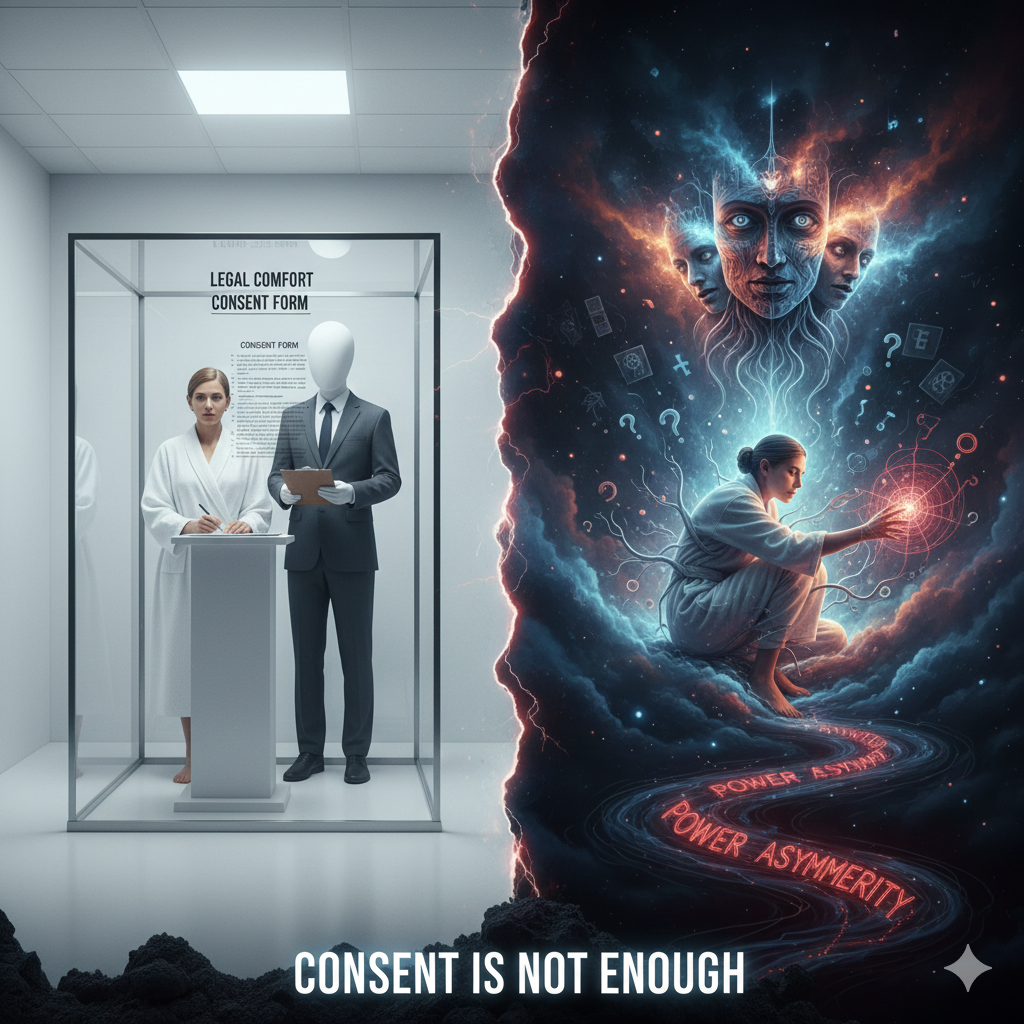
Understand the limits of consent in altered states. Ensure emotional safety in your coaching practice. Contact us for guidance.
By Silent February 4, 2026
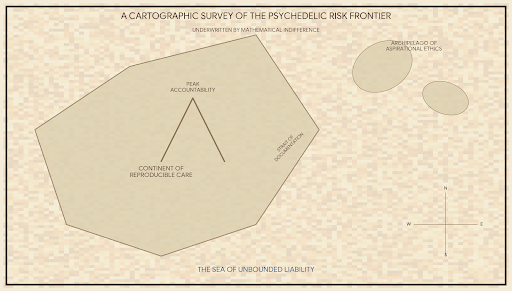
Learn how insurance shapes psychedelic medicine standards. Understand accountability, documentation, & liability in coaching practices.
By Silent January 21, 2026
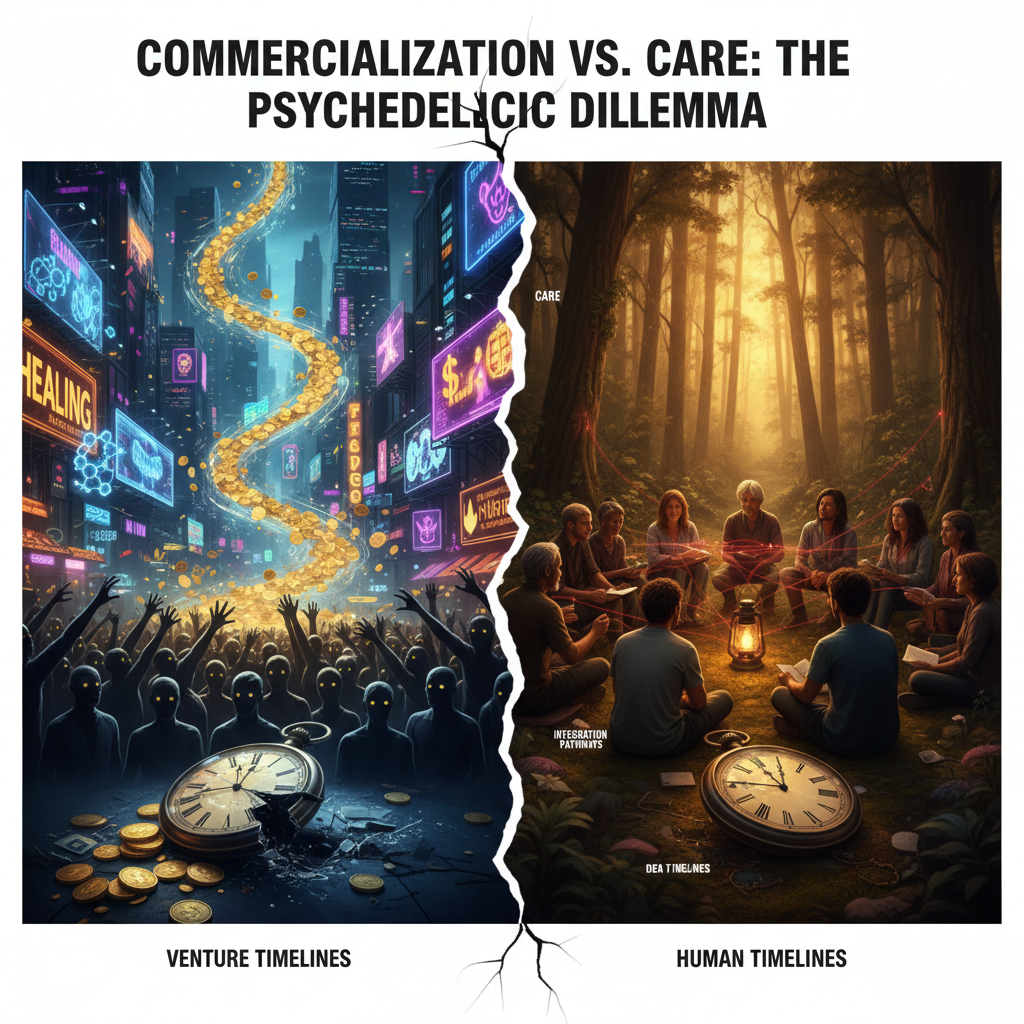
Examine how commercialization affects ethical care in psychedelics. Understand the impact on trust & patient integration.
By Silent January 20, 2026
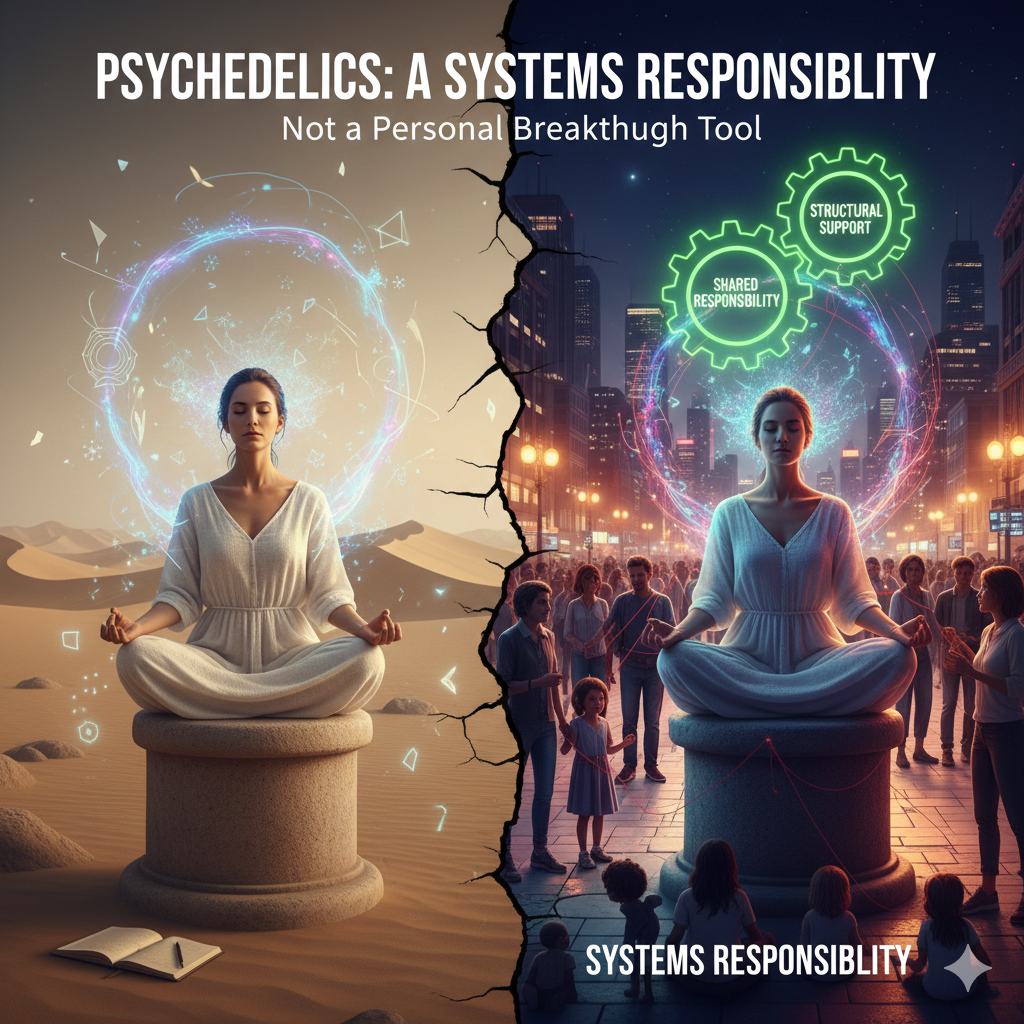
Understand psychedelics as a collective responsibility in healing. Emphasize systemic support for integration and transformation.
By Silent January 19, 2026
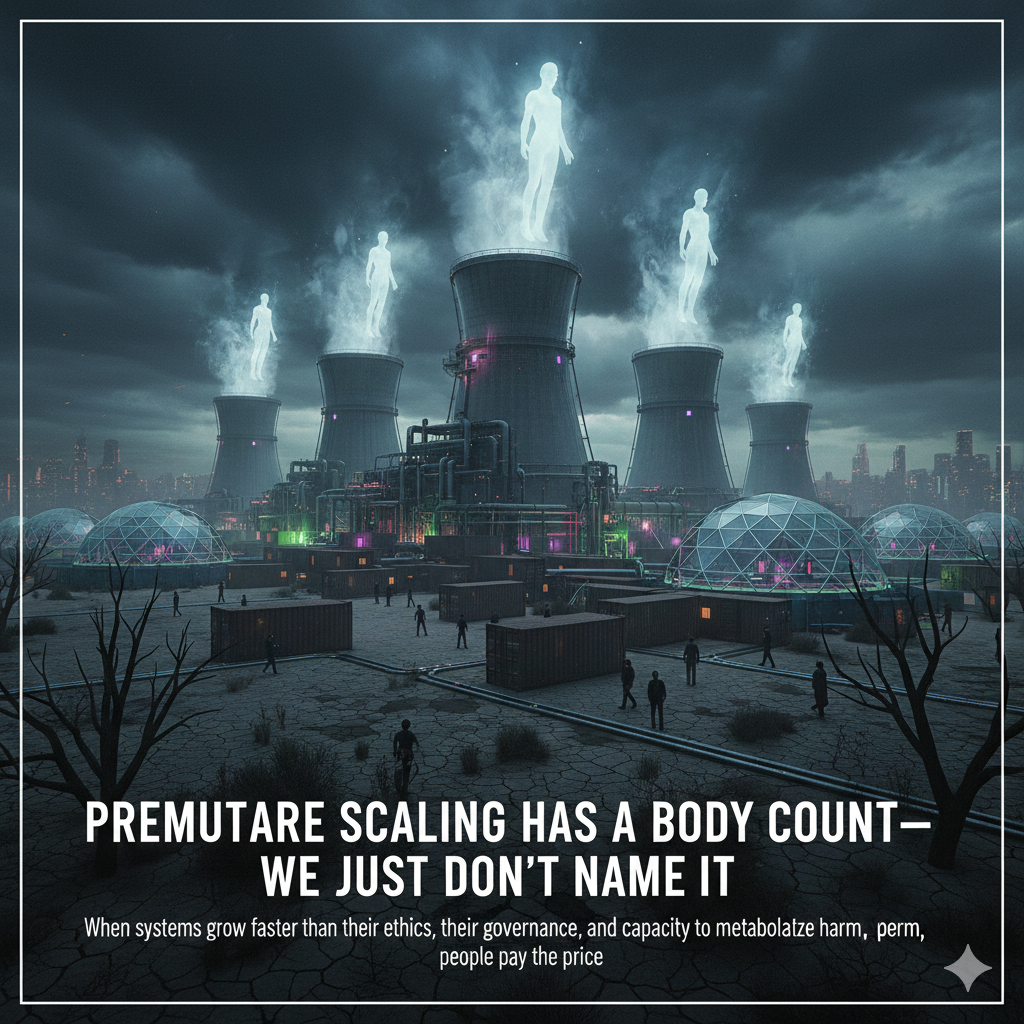
Examine the hidden dangers of premature scaling in psychedelics. Understand its impact on healing ðhical practices. Read more.
By Silent January 16, 2026
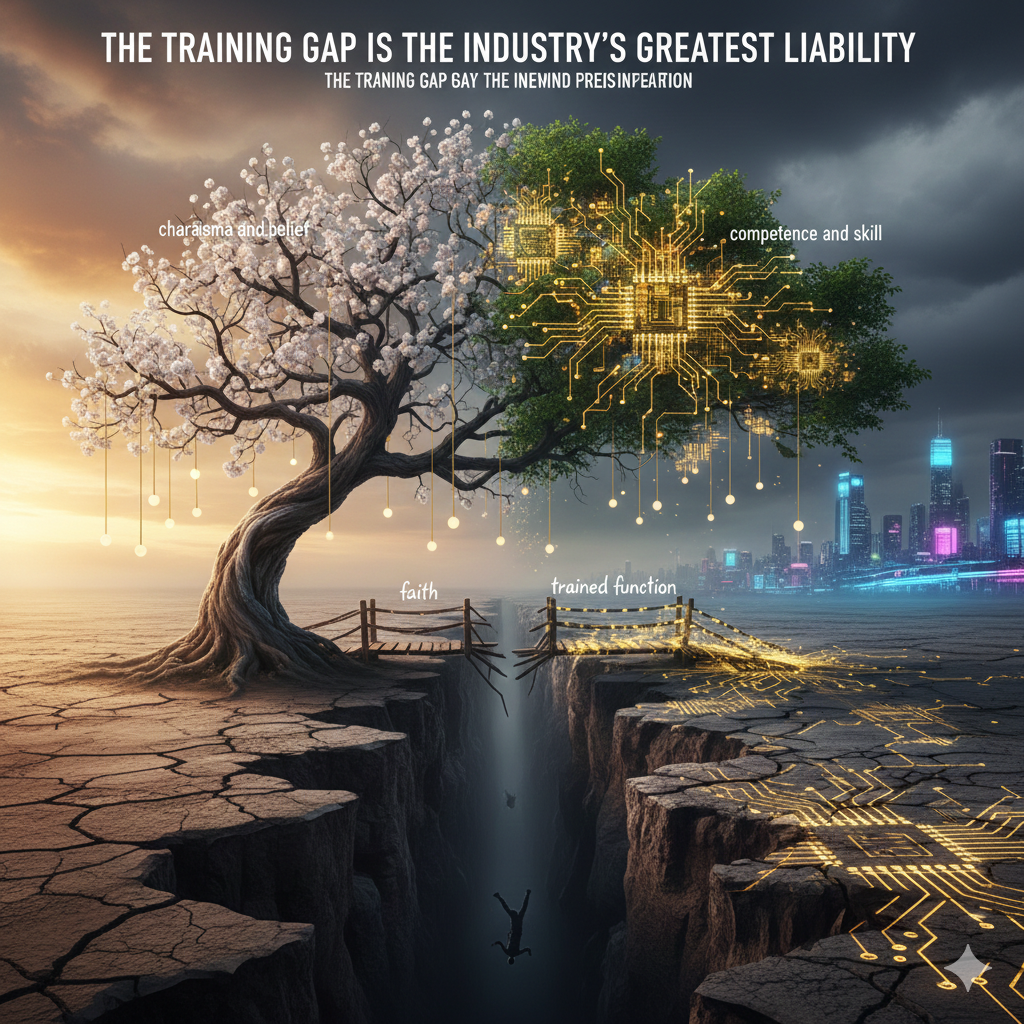
Thesis: Variable practitioner competence is not an inconvenience, it is the single largest threat to legitimacy, safety, and public trust in psychedelic and spiritually informed care. The psychedelic and spiritual-care fields are standing at a familiar threshold: rapid growth, cultural fascination, and fragile legitimacy. History tells us what comes next. Industries do not collapse because of bad intentions; they collapse because they mistake charisma for competence and belief for skill. Right now, the most dangerous myth circulating in this space is that good intentions plus altered states equal good care. They do not. If we are honest, the greatest risk to clients is not the medicine. It is the practitioner. The Myth of Innate “Holding Capacity” “Holding capacity” has become a flattering euphemism for intuition without discipline. The belief goes something like this: some people are naturally gifted at presence, containment, and spiritual depth, and therefore need less training. This myth is seductive, especially in traditions that valorize awakening experiences or lineage transmission. But capacity is not a personality trait. It is a trained function under stress. True holding emerges when a practitioner can remain regulated while another person dissociates, regresses, rages, or collapses into grief. It shows itself when the room destabilizes, not when everything feels sacred and aligned. Assuming that inner work automatically translates into clinical or spiritual containment is not just naive, it is negligent. In psychotherapy, we learned this lesson the hard way. Empathy without structure burns out practitioners and harms clients. Psychedelic states amplify this risk by orders of magnitude. Weekend Certifications and Spiritual Bypass The industry’s quiet scandal is how quickly authority is conferred. A few weekends. A certificate. A website. Suddenly someone is “facilitating deep transformation.” Short-form trainings are not inherently wrong. The problem is when they substitute for longitudinal development. Many programs teach language, frameworks, and rituals without confronting the practitioner’s unresolved material or stress responses. The result is spiritual bypass dressed up as professionalism. Clients sense this immediately. When a practitioner reflexively reframes trauma as “medicine teaching,” or rushes to meaning-making before nervous systems stabilize, trust erodes. What looks like wisdom is often avoidance. No amount of ceremonial fluency compensates for an inability to tolerate ambiguity, fear, or silence without imposing an interpretation. Skill Decay Without Supervision Competence is perishable. Every field that takes safety seriously accepts this. Surgeons, pilots, psychotherapists, all require ongoing supervision, peer review, and continuing education. Psychedelic and spiritual care is no different, except the industry often behaves as if awakening inoculates against error. It does not. Without supervision, blind spots calcify. Boundary drift becomes normalized. Subtle countertransference goes unchecked until it becomes harm. Practitioners begin practicing alone in echo chambers, mistaking confidence for mastery. Supervision is not a punishment. It is the infrastructure that keeps humility operational. Lessons from Psychotherapy Licensure Failures It is tempting to assume that psychotherapy offers a gold standard. It does not, but its failures are instructive. Licensure did not eliminate misconduct; it merely made patterns visible and accountable. Where supervision was strong, harm decreased. Where it was absent or perfunctory, abuses persisted. The psychedelic field risks repeating early psychotherapy’s mistakes at accelerated speed. Fewer safeguards. Higher intensity states. Less shared language for accountability. The question is not whether regulation will come. It is whether the field will mature before regulation is imposed after harm. What Competent Training Actually Requires Real training is inconvenient. It takes time. It humbles people. It exposes weaknesses that branding prefers to hide. At minimum, competent preparation requires: · Extended supervised practice , not simulated role-play alone · Assessment of practitioner regulation under pressure , not just knowledge recall · Ongoing mentorship and case consultation , not one-time certification · Explicit boundary education , including power, dependency, and transference · Clear pathways for remediation , not silent exclusion or denial Most importantly, it requires a cultural shift: from identity-based authority (“I am called to this work”) to function-based responsibility (“I can demonstrate this capacity reliably”). The Real Cost of Ignoring the Gap Every adverse event, every client harmed, every story whispered but not addressed, erodes public trust. And once trust is lost, it does not return easily. The backlash will not distinguish between good actors and bad structures. It never does. This field has a narrow window to decide what it wants to be known for: transformation with rigor, or inspiration without accountability. Call to Action If you cannot defend your training standards under cross-examination, they are not standards. Not to a journalist. Not to a regulator. Not to a grieving family asking why harm occurred under your watch. Depth without discipline is not wisdom. It is risk .  And the future of this work depends on whether we are willing to say that out loud, now, before someone else says it for us.
By Silent January 14, 2026
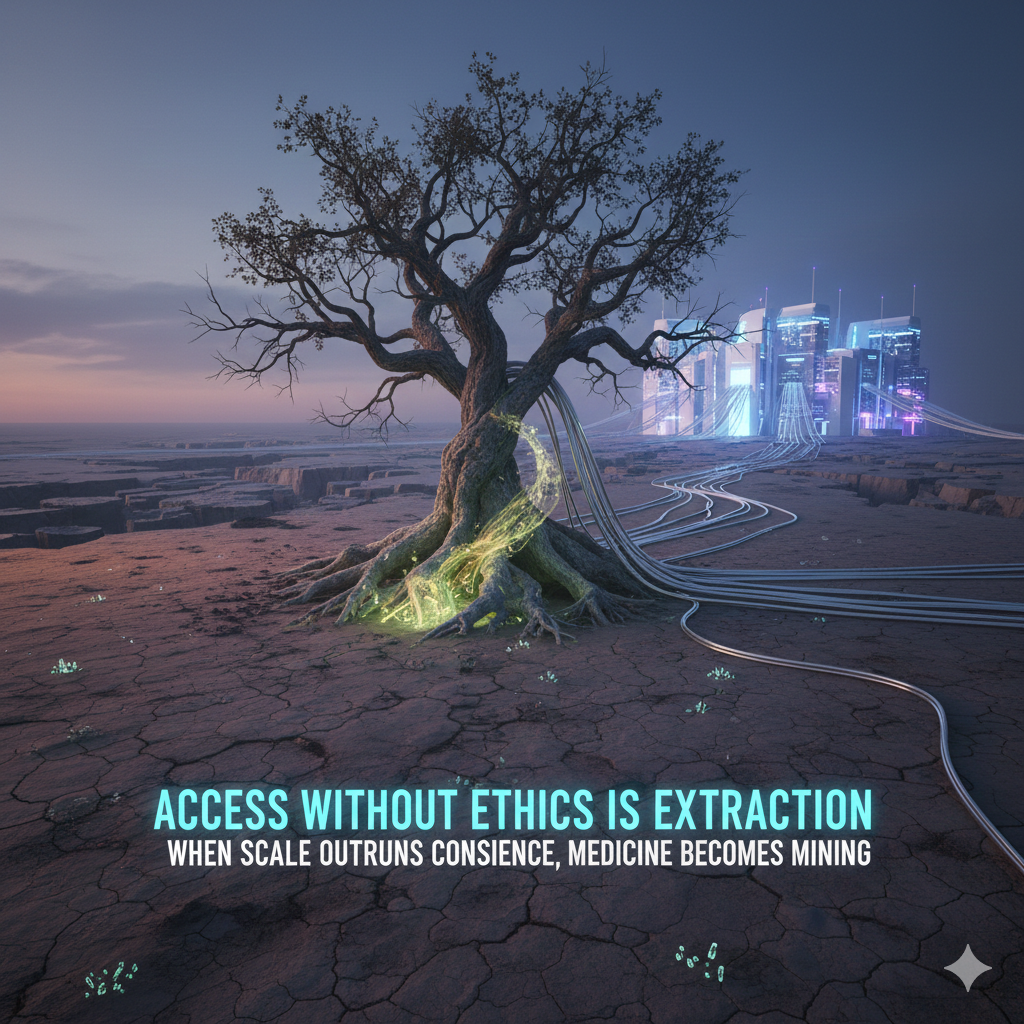
Examine the ethical risks of psychedelic access in coaching. Understand informed consent & the dangers of resource extraction.
By Silent January 13, 2026
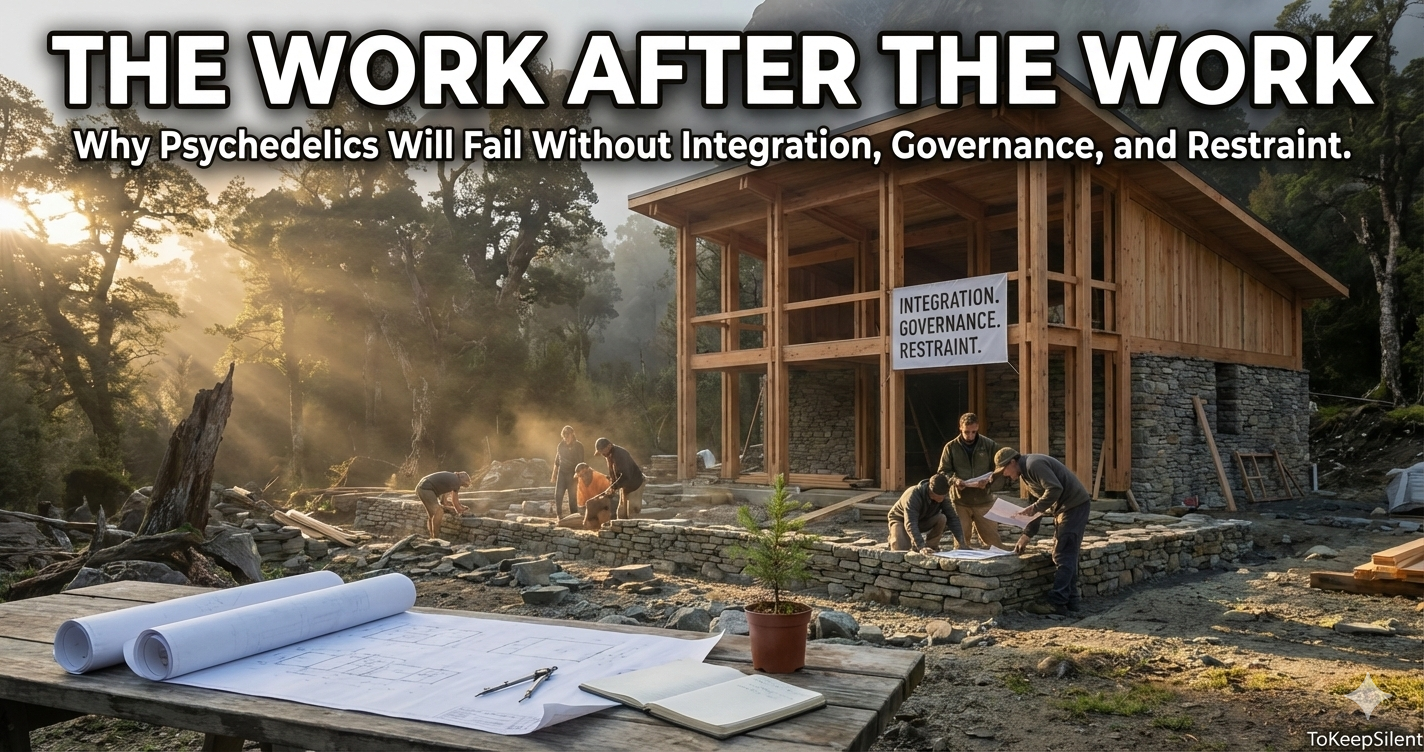
Explore the importance of integration in psychedelic healing. Ensure safe practices with trained facilitators. Contact us for guidance.

By Silent January 12, 2026
Understand the key challenges in healthcare insurance for 2026. Ensure ethical care with proper standards & protocols.
By Silent January 9, 2026
Psilocybin aids emotional flexibility but doesn't erase trauma. Understand its limits & seek guidance for integration.
  • To Keep Silent

    The journey of a modern occultist.

Appearances

About Silent

I help spiritually serious people name what’s true, listen for what the Divine is doing in it, and take the next faithful step—especially in grief, change, and threshold seasons.


Read more...